

Dryer vent cleaning
An essential procedure for maintaining your dryer
- Increases dryer efficiency
- Reduces fire risk
- Improves air quality
- Financial savings
- Extends device life
+20 000 satisfied clients
+120 certified technicians
A few key figures...
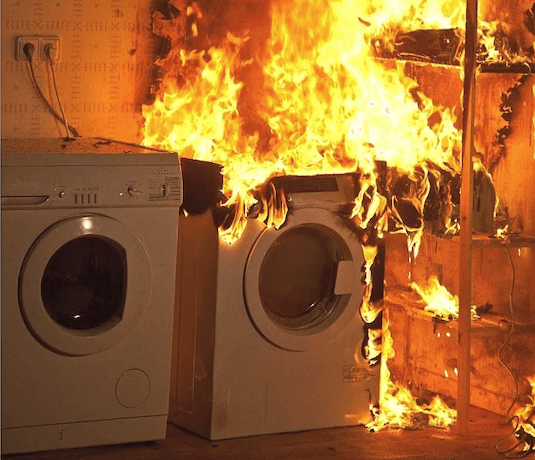
Clogged dryer vents cause nearly 15 000 fires per year in North America!
In 2015 and according to the Quebec public security, 10% of all residential fires in the province are caused by electrical appliances and equipment in the home. This includes clothes dryers, light bulbs and incandescent lamps. In all, 479 residential fires were caused.
When was your last cleaning?
Understanding
Dryer vent cleaning
Duraclim offers professional dryer vent cleaning services designed to keep your dryer running efficiently, reduce the risk of catastrophic fire and improve indoor air quality.
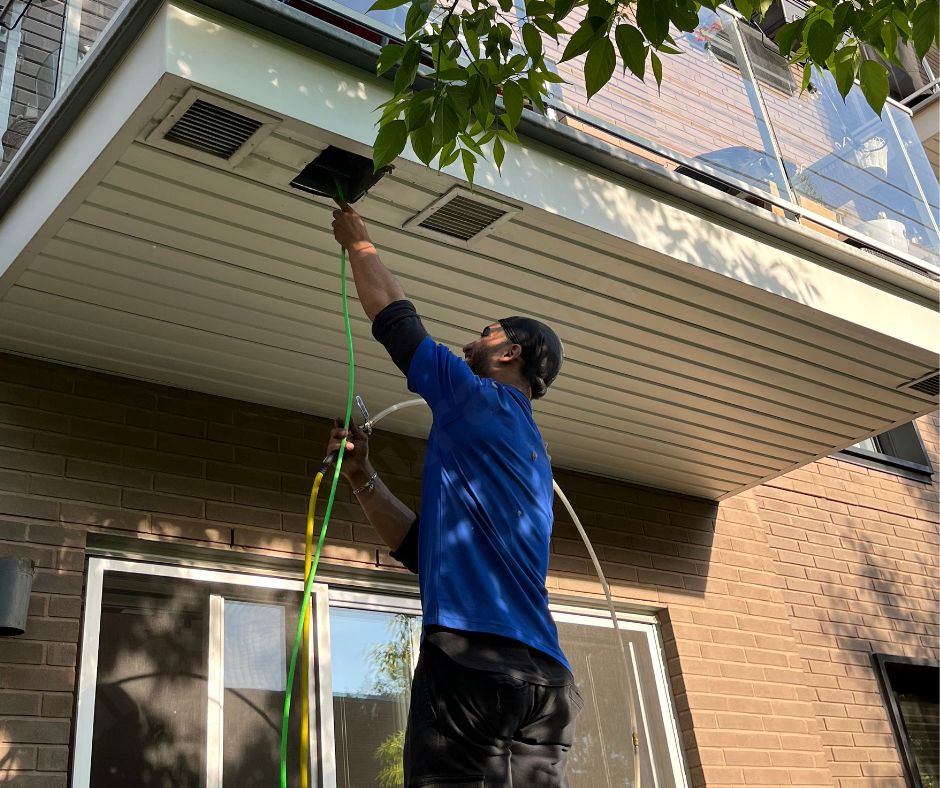
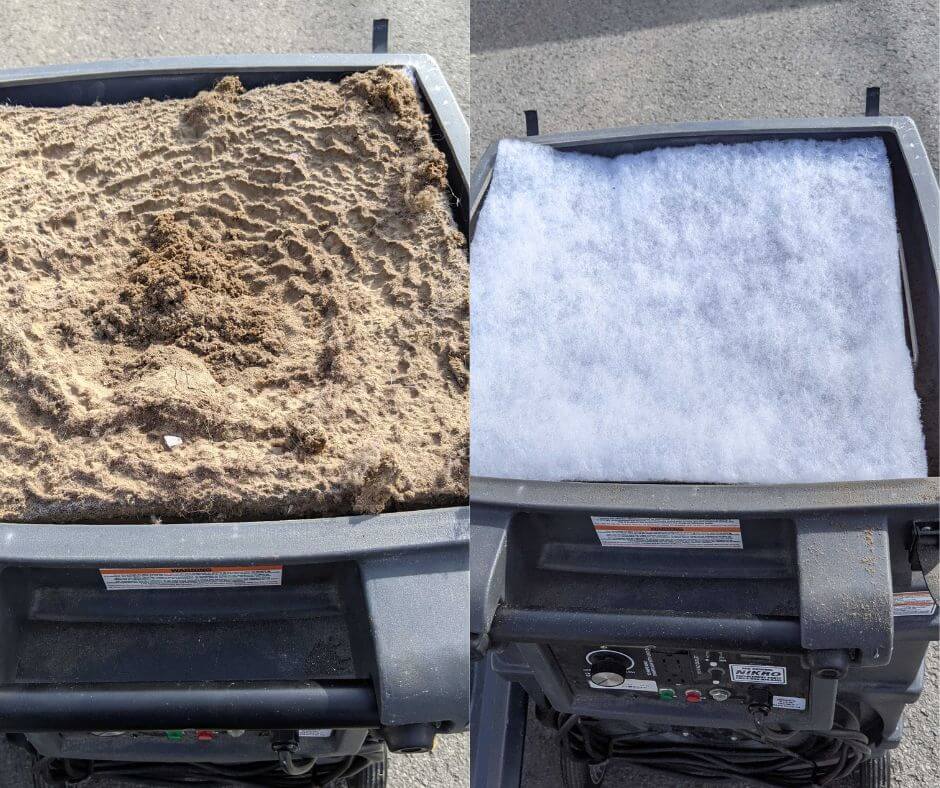
By removing lint and other debris from dryer ducts, Duraclim can ensure that your dryer runs optimally.
What causes dryer fires?
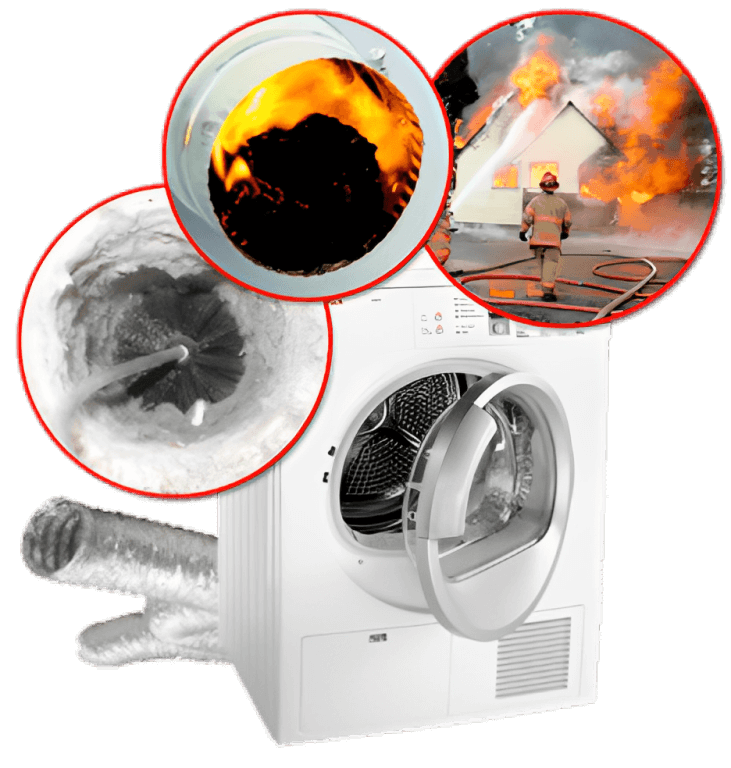
Most dryer fires are caused by lint build-up and poor duct maintenance.
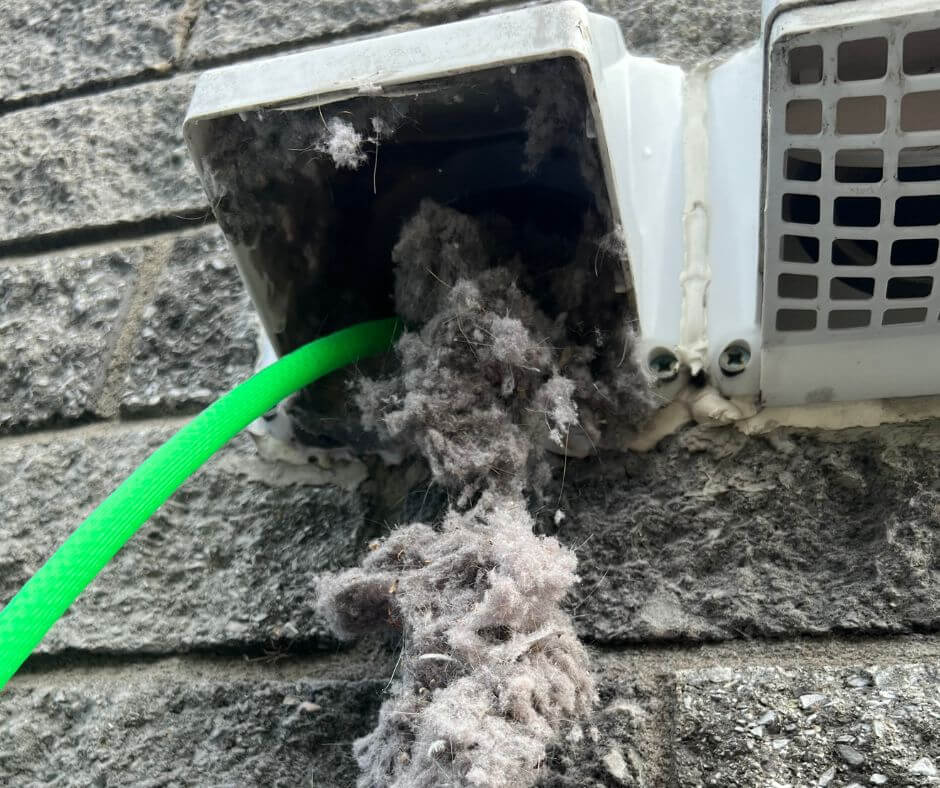
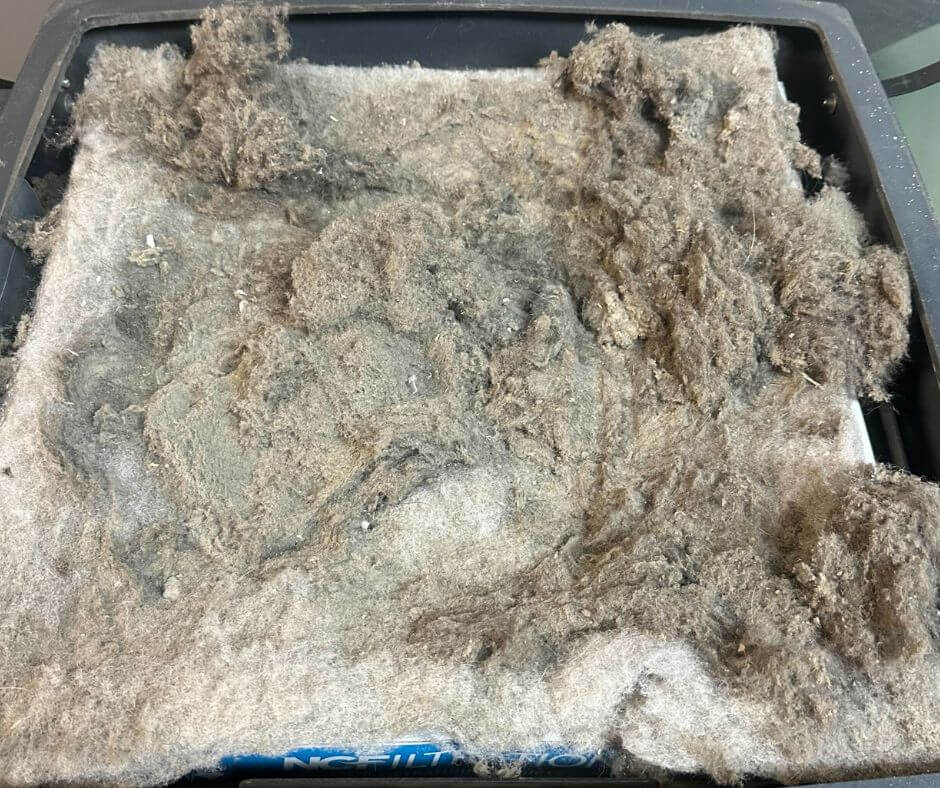
Lint is the material that detaches from clothes during drying and accumulates in the dryer’s lint filter. If the lint filter is not cleaned regularly, lint can build up in the dryer duct and obstruct the flow of hot air. This can cause the dryer to overheat and the lint to burn, resulting in a fire.
That’s why it’s important to clean the dryer lint filter every time you use it, and to have the dryer vent inspected and cleaned every 2-3 years by a qualified professional.
Why service your dryer vent?
Although often overlooked, cleaning the dryer vent (or dryer air vent) is an important step in ensuring proper operation. Indeed, the accumulation of lint and debris in the duct can cause the dryer to overheat and increase the risk of fire. In addition, if the duct is clogged, hot air will have more difficulty circulating and the dryer will take longer to dry clothes, which will increase energy consumption and costs.
It is therefore important to maintain your dryer duct for several reasons:
- Avoid fire risks: Lint, dust and debris that accumulate in the dryer duct can easily ignite and cause a fire.
- Optimize dryer performance: Since the air flow is reduced by the obstruction of the dryer duct, the appliance is not at its maximum capacity and therefore operates less well. The dryer retains more moisture and requires additional cycles to do a proper job. Hot air has more difficulty circulating, which can lead to an increase in the time needed to dry clothes. The increase in energy demand therefore leads to higher electricity bills.
- Extend the life of the dryer: Asking for additional effort from the dryer can lead to overheating and therefore, lead to accelerated and premature wear of the internal parts, thus reducing the life of the household appliance.
Simple & efficient operation
Reserve your place today!
Book your date
Choose the date that suits you best for servicing your system.
Receive our call 24 hours before your appointment
A technician will contact you 24 hours in advance to confirm his visit.
Breathe easier!
When the technician leaves, your dryer will be clean and ready to deliver high-quality results.
Dryer vent cleaning service
-
Cleaning the dryer duct
-
Checking the filter
-
Checking air flow
-
Post-construction cleaning
Don't take our word for it!
See what our customers think
1056+ testimonials
Frequently asked questions
The time required to clean and maintain a dryer vent depends on several factors, such as the length of the vent, the level of lint and debris accumulation, and the type of vent used. In general, the cleaning and maintenance process can take from 30 minutes to 2 hours.
When you call in a professional to clean the duct, the time required may vary according to the complexity of the job and the equipment used.
It is recommended to maintain the dryer duct every 2-3 years to ensure safe and efficient dryer operation. However, if you use your dryer intensively, you may need to clean the duct more frequently. For example, if you have a large family and use your dryer every day, it’s a good idea to have the duct cleaned every 1 year.
It’s also important to clean the dryer’s lint filter after each use, to prevent lint build-up in the duct.
To make the technician’s job easier, it’s important that he or she has easy, safe access to the dryer vent so they can inspect and clean it properly. This may sometimes require moving appliances, such as the dryer or washer, to gain access to the duct.
We suggest that you move any objects that may obstruct access to the duct before it arrives.